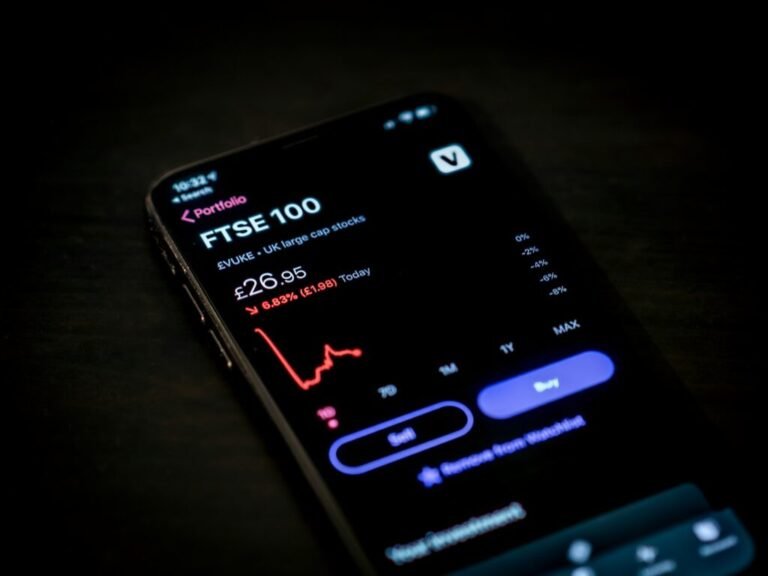
The world of money is moving fast. Stocks rise and fall. Crypto prices change in minutes. Banks launch new digital tools. Artificial intelligence is reshaping financial services. For everyday readers, all this can feel like trying to drink from a fire hose. That’s where financial news websites can help. A platform like FintechZoom presents topics across markets, business, crypto, banking, money, economy, and lifestyle-related finance areas, giving readers a broad place to explore financial information.
Still, here’s the catch: reading financial news is not the same as getting personal financial advice. News can guide your thinking, but it should not replace careful research, professional guidance, or common sense. FintechZoom’s own disclaimer says its information is for informational purposes and should not be treated as financial or investment advice.
This guide explains what FintechZoom is, how readers may use it, what benefits it can offer, and how to stay careful while reading financial content online.
What Is FintechZoom and Why Does It Matter?
FintechZoom is a financial content platform focused on the meeting point of technology and finance. Its website describes its goal as helping readers understand digital assets, blockchain, digital banks, electronic payments, market movements, company news, and the wider forces changing finance.
That matters because finance is no longer limited to banks, brokers, and printed business newspapers. Today, a person may use a mobile wallet, buy stocks through an app, compare mortgage rates online, read about Bitcoin, and track inflation data from a phone. In simple words, finance has become digital, fast, and global.
A platform that gathers financial news and related topics can be useful for readers who want a starting point. It can help them notice trends, learn basic terms, and understand why certain market stories are getting attention. For example, a beginner may not fully understand the difference between the Nasdaq, Dow Jones, S&P 500, Bitcoin, gold prices, ETFs, and digital banking. Reading organized content can make these ideas easier to approach.
However, readers should remember one golden rule: information is not instruction. A news article may explain what is happening, but it cannot know your income, debt, goals, risk tolerance, family needs, or time horizon. That’s why smart readers use news as one tool, not the whole toolbox.
Fintech zoom .com as a Digital Finance Information Hub
FintechZoom covers many areas of finance, including markets, stock market topics, forex, bonds and rates, commodities, ETFs, world indices, business, fintech, technology, artificial intelligence, crypto, money, insurance, mortgages, loans, personal finance, credit cards, banking, taxes, jobs, and inflation.
This wide coverage can help different types of readers. A student may visit to learn basic money ideas. A small business owner may read about payments or banking. A crypto follower may look for digital asset updates. An investor may track broad market news. A curious beginner may simply want to understand why markets are moving.
Stock Market Updates and Global Index Coverage
Stock market content can help readers understand the mood of the economy. Indexes such as the Dow Jones, Nasdaq, S&P 500, FTSE 100, Nikkei 225, and others are often used as quick signals for market health. FintechZoom lists several world index sections, including major U.S., European, and Asian market indexes.
But headlines can be tricky. A market drop does not always mean disaster. A market rally does not always mean safety. Markets move for many reasons: interest rates, inflation, earnings, jobs data, global events, oil prices, central bank decisions, and investor emotions. So, when reading stock news, it’s wise to ask: “Is this a short-term move, or does it show a bigger trend?”
Cryptocurrency News, Blockchain Trends, and Digital Assets
Crypto is one of the most talked-about parts of modern finance. FintechZoom includes crypto-related sections such as Bitcoin, Ethereum, blockchain, stablecoins, NFTs, metaverse, tokens, altcoins, and crypto reviews.
This can be helpful for learning terms and following market developments. Yet crypto also carries high risk. Prices can be volatile, regulations can vary by country, and scams can spread quickly online. The Federal Trade Commission warns consumers that crypto scams often use false promises, pressure, and misleading claims to get people to send money.
A careful reader should never invest in a coin, token, exchange, or trading program only because of a headline. Instead, they should check the project, understand the risk, confirm whether the platform is legitimate, and avoid anyone promising guaranteed returns.
Key Features Readers May Find Useful
A useful finance platform should do more than post headlines. It should help readers connect the dots. FintechZoom’s broad categories allow users to move between market news, money guides, fintech trends, banking, economy, and crypto topics.
Here is a simple way to think about its possible use cases:
| Reader Type | Possible Interest | Smarter Way to Use the Content |
|---|---|---|
| Beginner | Basic finance terms | Read explainers before making decisions |
| Investor | Market updates | Compare news with official data and personal goals |
| Crypto reader | Digital asset trends | Watch for risk warnings and scams |
| Business owner | Payments and banking | Look for practical fintech changes |
| Student | Financial education | Build vocabulary and ask better questions |
| Professional | Industry trends | Track themes in fintech, AI, and banking |
Fintech, AI, Payments, and Digital Banking Insights
Fintech is short for financial technology. It includes tools that make money services faster, easier, or more digital. Mobile banking, digital wallets, online lending, robo-advisors, payment gateways, and blockchain systems all fall under the fintech umbrella.
FintechZoom’s business and technology sections include fintech, technology, cybersecurity, artificial intelligence, finance, and banking-related categories. That mix is important because finance and technology now work hand in hand. A bank is not just a building. It may also be an app, a payment network, a fraud detection system, and a cloud-based service.
For readers, this means financial literacy now includes digital literacy. It is not enough to know what a loan is. People also need to understand online security, app permissions, identity theft, phishing, and safe digital payments.
How to Use FintechZoom Responsibly
Reading financial news can make you smarter, but only when you read with a cool head. Markets often reward patience, but headlines often trigger emotion. That’s a tough mix.
The smartest approach is to read, pause, compare, and then decide. Don’t rush because a headline sounds urgent. Don’t buy because an article sounds exciting. Don’t sell because a market story feels scary. Good financial decisions are based on goals, facts, risk level, and time.
The U.S. Securities and Exchange Commission’s Investor.gov encourages people to research and verify information before engaging an investment professional or buying securities. Investor.gov also provides tools to check whether an investment professional is licensed and to review registration or disciplinary history.
A Simple 5-Step Reading Method
Use this method when reading any finance article:
- Read the full article, not just the headline. Headlines are made to grab attention.
- Check the date. Financial news can become old very quickly.
- Look for the source. Ask where the claim comes from.
- Compare with trusted resources. Use official investor education sites when needed.
- Match the idea to your own goals. A good idea for someone else may be wrong for you.
Benefits of Following Fintech and Market News
The biggest benefit of reading fintech and market news is awareness. You begin to understand what is happening around you. You may notice when interest rates affect loans, when inflation changes household budgets, when crypto regulation becomes stricter, or when banks introduce safer digital tools.
Another benefit is confidence. Many people avoid finance because it feels too complicated. But once you learn common words and patterns, the subject becomes less scary. You begin to ask better questions, such as:
- What does this mean for long-term investors?
- Is this news about one company or the whole market?
- What risks are being ignored?
- Is this a trend or just hype?
- Does this affect my savings, loans, or budget?
That kind of thinking is powerful. You don’t need to become a Wall Street expert overnight. You just need to become a more careful reader.
Common Mistakes to Avoid When Reading Market News
One common mistake is treating every article like a recommendation. Most financial content is general. It may explain what happened, but it does not know your personal situation.
Another mistake is chasing trends. When a stock, coin, or sector becomes popular, many people jump in late. By then, prices may already reflect the excitement. This is why emotional investing can be dangerous.
A third mistake is ignoring risk. Every financial choice has risk. Even savings accounts have inflation risk. Stocks have market risk. Crypto has volatility and security risk. Loans have interest-rate and repayment risk. Real estate has liquidity and maintenance risk.
Finally, readers should be careful with online scams. The FTC says investment scams often use pressure, false promises, and claims that sound too good to be true. A safe rule is simple: if someone promises easy money with no risk, step back.
Practical Tips for Beginners
Beginners should start with education, not prediction. Nobody can predict every market move. But anyone can learn the basics.
Start with these habits:
- Learn one financial term each day.
- Track major market headlines without reacting right away.
- Keep a simple budget.
- Build an emergency fund before taking big risks.
- Understand fees before buying financial products.
- Avoid borrowing money to invest in risky assets.
- Ask a licensed professional when decisions are serious.
Fintech zoom .com can be part of a wider learning routine, but it should work alongside official resources, personal research, and professional advice when needed.
FAQs About FintechZoom and Financial News Research
1. What is FintechZoom used for?
FintechZoom is used for reading financial news and content related to markets, crypto, banking, fintech, money, economy, and other finance-related topics. Its own website describes it as a resource for understanding the connection between technology and finance.
2. Is FintechZoom a trading platform?
Based on the official site’s description and disclaimer, FintechZoom presents information and news content. It states that its information should not be considered financial or investment advice.
3. Can beginners use FintechZoom?
Yes, beginners can use it to learn about financial terms, market categories, fintech trends, crypto topics, and money news. However, beginners should avoid making quick decisions based only on headlines.
4. Is financial news enough to make investment decisions?
No. Financial news is only one part of research. Investors should compare information, understand risks, and use trusted investor-protection resources. Investor.gov recommends researching and verifying information before buying securities or working with an investment professional.
5. How can I avoid online investment scams?
Be careful with guaranteed returns, pressure to act fast, requests for crypto payments, and strangers offering “secret” opportunities. The FTC warns that investment scams often use urgency and false claims to take people’s money.
6. Does FintechZoom give personal financial advice?
Its disclaimer says the information on the site is for informational purposes and should not be considered financial or investment advice. For personal advice, speak with a qualified and properly registered professional.
7. Why should I compare financial news with official sources?
Official sources help you verify claims, check professional registrations, and learn investor basics. For example, Investor.gov offers tools to check an investment professional’s background, registration, and disciplinary history.
Conclusion: Building Better Financial Knowledge
FintechZoom can be a useful starting point for readers who want to follow financial markets, crypto, fintech, banking, digital payments, money, and economic trends. Its wide range of categories makes it easy to explore many parts of modern finance in one place.
The best way to use any financial news platform is with balance. Read often, but don’t react too fast. Learn the terms, but don’t assume every article is advice. Compare claims, check dates, and use official resources when money is on the line.
In the end, strong financial knowledge is built step by step. With patient reading, careful checking, and a clear view of your own goals, you can turn financial news into a helpful learning tool instead of a source of stress.